Time Outתל אביב הוא חלק מרשת Time Out Global — רשת מדיה בינלאומית הפועלת ב-360 ערים מרכזיות וב-60 מדינות ברחבי העולם. Time Out הוא אחד ממקורות התוכן המקיפים והאמינים ביותר בתחומי התרבות, הקולינריה, הבילוי ותיירות עירונית. התוכן, שמתעדכן 24/7, נכתב ונערך על ידי צוות עיתונאים מקצועי מקומי בישראל, בהתאם לסטנדרטים של Time Out העולמית.
החנויות הקטנות של רמאללה: בוטיק התכשיטים "כנעניות"
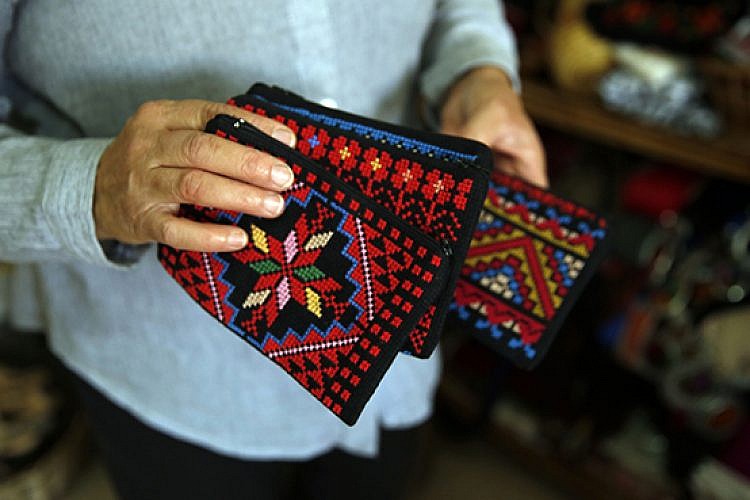
מדור החנויות הקטנות של תל אביב עושה קפיצה לרמאללה ומבקר בבוטיק "כנעניות" לתכשיטים בבעלותה של אמינה. הבוטיק מתמקד ביצירה ובעבודות יד הקשורות לעם הפלסטיני ולכנען
בשנת 1986 החליטה אמינה, יזמית בעלת תואר במדעי המדינה מאוניברסיטת ביר זית, לפתוח את העסק. לדבריה, אחת המשמעויות של המילה "כנען" היא אדום, דבר שבא לידי ביטוי בעיצובים הפלסטיניים הטיפוסיים. כיאה, אחת המטרות של "כנעניות" היא להתמקד ביצירה ובעבודות יד הקשורות לעם הפלסטיני ולכנען.
הבעלים אמינה בבוטיק כנעניות לתכשיטים
"בתחילת הדרך עסקתי בתכשיטנות ולאחר מכן התחלתי לייצר גם תיקים וארנקים", אומרת אמינה. "כיום אני עובדת עם 30 נשים שלהן אני מעבירה חומרי גלם ועיצובים". בעתיד היא מתכננת לעבוד על פרויקט שבו תגדל פירות וירקות למאכל ולהחיות מסורות מקומיות ובהן גידול והכנת פירות יבשים. "אני גם מקווה למכור את המוצרים שלי מעבר לים כדי להפסיק את התפיסה שעיצוב פלסטיני הוא רק כאפיות ורקמות", היא מסבירה.
רוצים לקבל את ״טיים אאוט״ למייל? הירשמו לניוזלטר שלנו
A Photographic Perspective: What Happened to Hebron in 50 Years of Occupation?
The security situation has turned Hebron's bustling city center into a ghost town. Nearly 2,000 shops and businesses were closed and thousands of people were left without a source of income. How did it happen?
November 1972.For years, Hebron was a mixed city in which Jews and Muslims lived. After the Arab riots of 1929, Hebron’s Jews were forcibly evacuated. Settlers returned to the city after the Six-Day War of 1967, attracting majorJewish businesses like Tnuva. In 1970 a large settlement called Kiryat Arba was built adjacent to the city, and the settlers who had been in Hebron moved there, So that in 1972, Hebron was again empty of Jews. It was the largest Palestinian city in the West Bank, with a huge commercial center. Several large markets operated there in parallel – the fruit and vegetable market, the meat market, the spice market and the gold market, all located on Shuhada Street, the city’s main long thoroughfare. Despite the occupation, the street was bustling and full of people – even the settlers shopped there.
(Hebron city center (photo: (Tamara Efrat
October 2017.In 1979, a group of settlers sneaked into a house in the city, under the nose of the Israel Defense Forces. The government decided not to evacuate them, thereby renewing settlement in the city. Tension between Jews and Arabs heightened after the First Intifada, reaching its peak with the 1994 massacre of Arabs at the Tomb of the Patriarchs, called Ma’arat Hamachpela in Hebrew. Israel and the Palestinian Authority divided the city, imposing severe restrictions of movement on the 850 settlers and mainly on the 200,000 Palestinians, who are not allowed to travel on Shuhada Street. The once-bustling commercial center turned into a ghost city. Almost 2,000 businesses closed, the market stands were covered in dust, thousands of people were left without a source of income. Palestinians who remained in their homes around the street were trapped inside as metal cages closed their porches and entrance doors were welded shut. Found on the street today are soldiers on patrol, settlers calling out their praise and observers from a variety of organizations including Breaking the Silence, which seeks to tell the story of the long occupation and the price paid by the Palestinians. And also by the society that sends its young people to enforce this reality.
Original photo: Moshe Milner
רוצים לקבל את ״טיים אאוט״ למייל? הירשמו לניוזלטר שלנו
35 שנה עשו למרכז חברון מהפך של 180 מעלות. מרכז העיר הסואן והשוקק, שבו יהודים ופלסטינים מכרו וקנו מכל הבא ליד, נטוש לחלוטין, לפלסטינים אסור להסתובב בו, והדמויות העיקריות הן חיילי צה"ל
נובמבר 1972.במשך שנים הייתה חברון עיר מעורבת שבה חיו יחדיו מוסלמים ויהודים. בשנת 1929, כשפרצו מאורעות תרפ"ט שבהם נרצחו 67 יהודים בחברון, נאלצו היהודים להתפנות. לאחר ניסיונות חוזרים של מתנחלים קיצוניים הם עלו חזרה אל העיר, משכו אליהם עסקים ישראליים גדולים כמו תנובה, וב־1970 הם בנו התנחלות צמודה לעיר בשם קריית ארבע והעבירו אליה את המתנחלים שהגיעו לחברון. כך ב־1972 הייתה שוב חברון ריקה מיהודים. היא הייתה לעיר הפלסטינית הגדולה בגדה המערבית ולמרכז מסחר ענקי. לבד מהקרמיקה וזכוכיות חברון המפורסמות שניתן היה למצוא בעיר, פעלו בה במקביל כמה שווקים גדולים – שוק פירות וירקות, שוק בשר, שוק תרנגולים, שוק התבלינים ושוק הזהב. כולם היו ממוקמים על רחובה הראשי של חברון, רחוב השואהדה, שהיה הומה אדם מדי יום, ולמרות הכיבוש והאווירה העוינת – אפילו המתנחלים מקריית ארבע היו באים לערוך בו את קניותיהם.
מרכז העיר חברון (צילום: תמרה אפרת)
אוקטובר 2017.ב־1979 התגנבו באישון לילה תחת אפם של חיילי צה"ל קבוצת מתנחלים, נשים וילדים בעיקרם, ופלשו לבית הדסה בחברון. הממשלה החליטה לא לפנותם, וכך חודשה ההתנחלות היהודית בעיר. עם היווסדות הכיבוש והאינתיפאדה הראשונה גברה המתיחות בין היהודים לערבים בעיר, והיא הגיעה לשיא ב־1994, כשברוך גולדשטיין, רופא תושב קריית ארבע, הגיע למערת המכפלה בעיר וטבח ב־29 מתפללים מוסלמים. ישראל והרשות הפלסטינית הגיעו להסכמות שהפרידו בין היישוב היהודי לעיר, והגבילו את התנועה ליהודים ולמוסלמים בחלקי העיר. על 850 המתנחלים בחברון שומרים מדי יום כ־650 חיילים ושוטרי מג"ב, שמטילים גם הגבלות תנועה חמורות על 200 אלף הפלסטינים כך שהם אינם יכולים לנוע ברחוב השוהדא. המציאות הביטחונית הפכה את מרכז העיר השוקק לעיר רפאים. כמעט 2,000 חנויות ובתי עסק נסגרו, הבאסטות מעלות אבק, ואלפי בני אדם נותרו ללא מקור פרנסה. הפלסטינים שנותרו בבתים שפונים לרחוב נכלאו בבתיהם כשכלובי מתכת סגרו את מרפסותיהם ודלתות הכניסה רותכו כך שאין כניסה ויציאה לרחוב. היום תמצאו ברחוב בעיקר חיילים מפטרלים, מתנחלים שקוראים להם קריאות עידוד וסיורים של ארגונים שונים, למשל שוברים שתיקה, שמבקשים לספר על המציאות היומיומית של הכיבוש בעיר ובשטחים בכלל ועל המחיר המוסרי שמשלמת חברה ששולחת את צעיריה לאכוף את המציאות הזו.
צילום מקור: משה מילנר
רוצים לקבל את ״טיים אאוט״ למייל? הירשמו לניוזלטר שלנו
They use locally sourced materials and traditional techniques to create new fashion. Three designers from Ramallah, Bethlehem and Jerusalem talk identity and the message conveyed through apparel
For Nadya Hezboun, it all started with a quote by poet Mahmoud Darwish: “The land expands as much as the measure of your dream”. It was in 2012, and something about those words resonated deeply with her, compelling her to create. Not long after that initial burst of inspiration, those words were translated into a modern clothing and jewellery collection.
Ms. Hezboun’s Palestinian identity was clearly evident in the collection that featured locally sourced materials and Arabic calligraphy. Recently, she returned to Mahmoud Darwish once again, and his words: “A moon will rise from my darkness”. The final result is a stunning collection, featuring dresses with Arabesque prints, typography woven with golden threads and suits made of rich fabrics.
Design by Nadya Hezboun
Noora Abdeen-Khalifeh, Ramallah
Delicate blue flowers and geometric shapes decorate a shirt designed by 32 year old Nurah Abdin. Even a brief glance at Ms. Abdin’s designs makes it immediately obvious: she uses the traditional, painstaking process of manual embroidery, which lends an item a strong presence.
“I draw the pattern for each design and then choose the right fabric. After that I embroider it manually,” says Ms. Abdin, who claims one of the most significant parts of her creative process is the thought that precedes it: “I imagine a woman like my mother, who is my biggest inspiration. She is always elegant and unique.”
Design by Nurah Abdin-KhalifaNurah Abdin-Khalifa
Natalie Tahan, Jerusalem
Like Abdin, Tahan is also drawn to traditional Palestinian embroidery and dress patterns. However, Ms. Tahan uses modern printing techniques in order to achieve a unique effect. The result is arresting: the rich colors and flatness of the print, along with the voluminous pattern, might remind one of a queen’s robe, with a modern touch.
By choosing to print the embroidery patterns, rather than produce them by hand, Ms. Tahan accelerates the creative process considerably. However, it is evident that the time saved is invested is small details, such as perfect seams and even well-crafted labels.
Design by Natalie TahanNatalie Tahan
רוצים לקבל את ״טיים אאוט״ למייל? הירשמו לניוזלטר שלנו
Apo and the Apostles Won't Let The Conflict Get In Their Way
When the lead singer of a Palestinian rock group lives in Jerusalem and the players live in the West Bank, even getting to a gig is a success. Nowadays, members of Apo & the Apostles allow themselves to dream of playing in Glastonbury. Songs about the occupation? Forget it
If one were to ask Apo Sahagian, frontman of rock group Apo & The Apostles, how it all began, the answer might sound like it was taken out of a movie script: a bunch of guys from Jerusalem and Bethlehem team up with an Australian and a Canadian to play a beer festival in Taybeh, near Ramallah, in 2013. Over the course of two weeks they develop a ten song set, word gets around and they play Bethlehem and Ramallah. In less than a year, they have a hit: Baji Wenek (with over two million views on Youtube so far). But like any other movie, the plot has a conflict: this one revolves around the freedom of movement, or rather – the lack thereof. Having authorities impede travel could be a major obstacle for any band – and it definitely for this up and coming Palestinian rock group.
"I’m from the Armenian quarter of Jerusalem," says Sahagian, referring to the community of less than 1,000 people today, down from about 15,000 at its peak during the 1940s. "Trumpeter Firas Harb and drummer Pierre Taweel are both from Bethlehem and our first bass player, Joel Thorpe is originally from Australia, but Amir Handal, who is also from Bethlehem, took over in 2015", he adds. As if to complicate matters further, the first guitar player, Karim Morcos, is Canadian, Sahagian says. "He works all over the world, so when he can he still collaborates with the band, as well as local guitarist, Victor Kawwas," he explains. The name Apo & the Apostles came from the band mocking Sahagian as a mission-driven benevolent leader.
All about the music. Apo and the Apostles live / by Tareq Karram
How would you describe the band’s sound?
"Upbeat, party rock. Although there’s a difference between our studio songs and live songs, it's all basically music made to make you move and feel good: Saturday night music. Having said that, we also have some soul songs and we are always trying to innovate and diversify. I speak English, Armenian, Arabic and Hebrew and the other founding and current band members are also multi-lingual, so our songs are in several languages, mostly in English and Arabic, but there are a few in Armenian and French. We also have one song that’s in a language we made up entirely by ourselves".
What’s the band’s creative process?
"We all write our own original music and songs. I’m the main composer of the music. If the lyrics are in the English, then they are mine or if they’re in Arabic then I just write the chorus by myself and put down the rest of the lyrics together with Firas or sometimes with Victor. I usually have the full idea for the song in my mind and then we all get together and jam it out to see if it works, or just play around with it."
What are the songs about?
"Bygone beloveds. But with an upbeat vibe."
What about politics, the occupation or the conflict?
"No, we stick only to the theme of bygone beloveds – whether it be in this interview or in our songs."
What have been some of the band’s biggest challenges and successes?
"The challenges are by far the lack of accessibility and mobility. For example, we’ll get offers for shows all over but my bandmates have to get permits to enter Israel, so we’ve had to cancel or delay shows many times because of problems with this. As for shows abroad, they can only fly from the airport in Amman, so they have to have to spend at least a few hours in transit on the Allenby Bridge in order to just get to Jordan and then get all the way to Amman, and then the same on the way back – so you can’t just hop on a plane if a gig comes up, not to mention the visa challenges. I guess our main success is that when we are able to play shows, a lot of people turn out. So, we get great crowds and the energy in the room is always incredible, with everyone dancing, singing and jumping around to our beats and melodies. So, it’s a lot of fun for them and for us!".
Songs about bygone beloveds. Apo and the Apostles
Where has the band played and did it face any problems?
"So far, we’ve played in Bethlehem, Jerusalem, Ramallah, Bir Zeit, Haifa, Jaffa, Tel Aviv, Nazareth, Majdal Shams, Jordan, France and the Netherlands. I don’t think we’ve ever had any problems or racism directed at us during our shows, although we probably wouldn’t have noticed if we had – we’re all about the music and the energy in the room when we’re playing."
What’s next for Apo & the Apostles?
"We’re getting ready for the release of our English language album, Saving a Dead Sea, which has been in the works for a year now and will come out this Fall. Earlier this month we were in Shefa-'Amr for a festival and we’re working on scheduling shows for Jaffa, Haifa and the Golan Heights, and hopefully many more to come in places all over the world. Someday we’d love to play at Glastonbury on the pyramid stage – that’s the dream!"
רוצים לקבל את ״טיים אאוט״ למייל? הירשמו לניוזלטר שלנו