Time Outתל אביב הוא חלק מרשת Time Out Global — רשת מדיה בינלאומית הפועלת ב-360 ערים מרכזיות וב-60 מדינות ברחבי העולם. Time Out הוא אחד ממקורות התוכן המקיפים והאמינים ביותר בתחומי התרבות, הקולינריה, הבילוי ותיירות עירונית. התוכן, שמתעדכן 24/7, נכתב ונערך על ידי צוות עיתונאים מקצועי מקומי בישראל, בהתאם לסטנדרטים של Time Out העולמית.
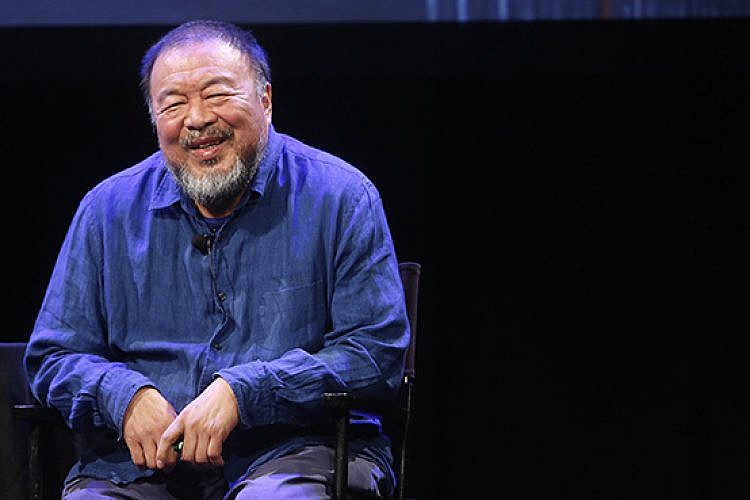
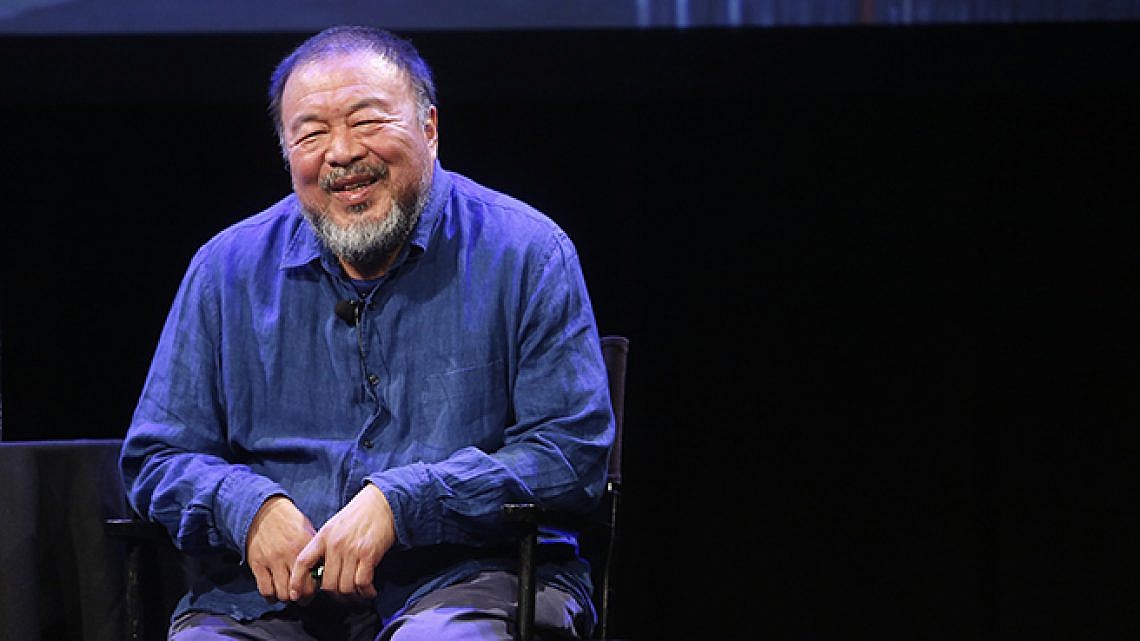
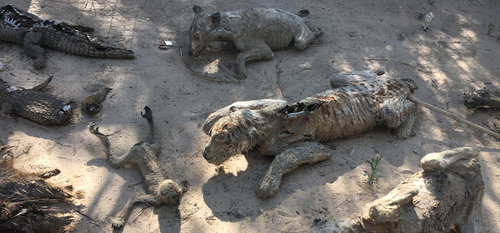
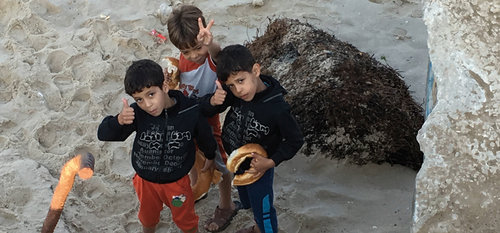
Chinese dissident artist Ai Weiwei visited the West Bank and Gaza strip last year while filming a documentary on the refugee crisis. He sent us some of the photos he snapped on that trip
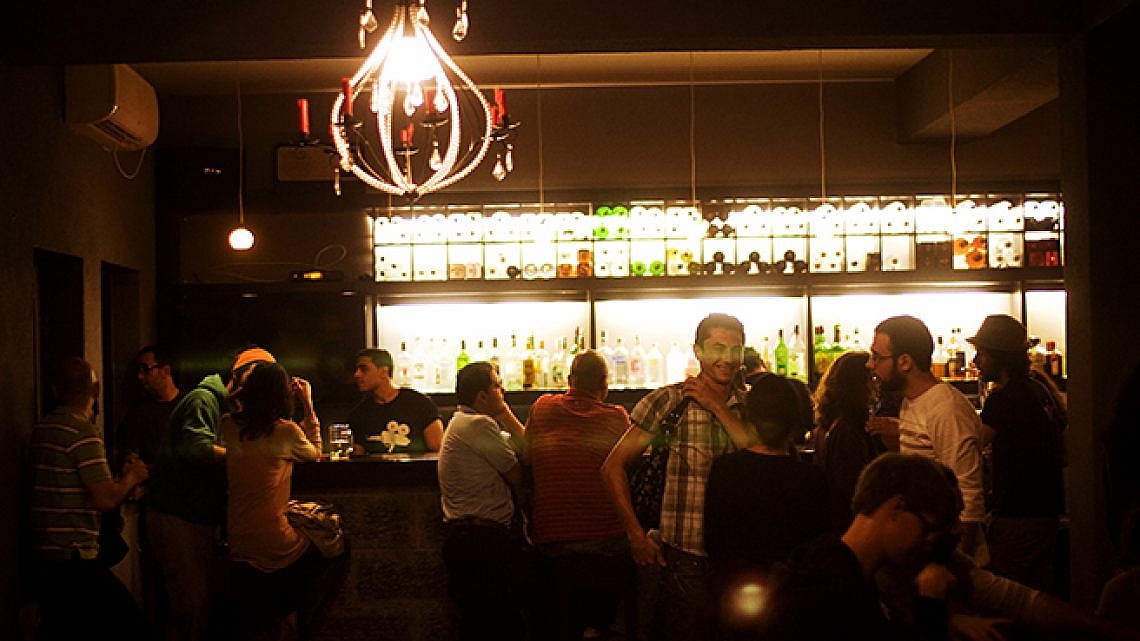
Planning a night out in a bustling city like Ramallah requires taking a few things into account, such as the music you like, what kind of people you want to meet (or not) and how much you want to spend. The possibilities are almost endless, but we lined up a few favorites anyway
The Snobar (pine nut in Arabic), sometimes referred to as the SnowBar, is a staple of Ramallah night life. It has a swimming pool, bar and restaurant on the premises, all surrounded by pine trees, away from the city’s hustle and bustle. The rustic feel and arresting view, along with the live concerts, large selection of food, drinks and shishas, make this place a true hot-spot during the summer months. Locals and foreigners, Palestinian Tech workers and young people who have time to idle all dutifully gather by the pool. The place closes during the winter.
The Radio Bar, formally Beit Aneeseh, is a bar, restaurant and art center in an old stone house, located in the ritzy Al-Masyoun neighborhood. There are live shows, guest DJs playing techno, house and hip-hop and art exhibitions. Just last week, the opening party for the Days of Cinema festival took place there (proving how ultra-cool the place actually is). The Garage Cafe is another hipster gem of Ramallah, and is also popular among foreign journalists and NGO workers. In other words, this is the place for tap beer, burgers and intellectualism.
For many students, money (or lack thereof) plays a major part on a night out. This cafe is a great alternative for its expensive counterparts, and is especially favoured by youngsters and students who often spend the better part of their days in its confines. Additional points are scored for the great design and vicinity to the city centre. If you are still not swayed, you may be interested to know this is the place in the city for endless sessions of backgammon, chess or board games – and shisha, of course.
One of the best known and busiest bars of Ramallah, with its share of (mainly) local regulars, The Cave features great live music and eternally-occupied tables. Be warned that an innocent sip in The Cave could quickly escalate to a drinking spree, complete with dancing between the tables. To help tone things down, place serves food around the clock.
רוצים לקבל את ״טיים אאוט״ למייל? הירשמו לניוזלטר שלנו
Collective Effort: The Women of the Old City in Hebron
Hebron’s Old City Women Group was founded during the second intifada and has made life in the area more bearable for many. And not only beacuse of their baked goods
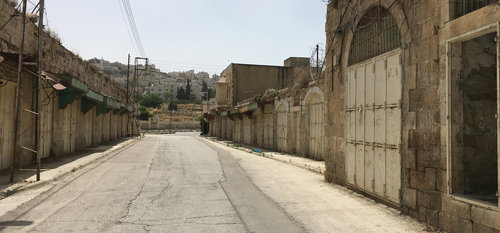
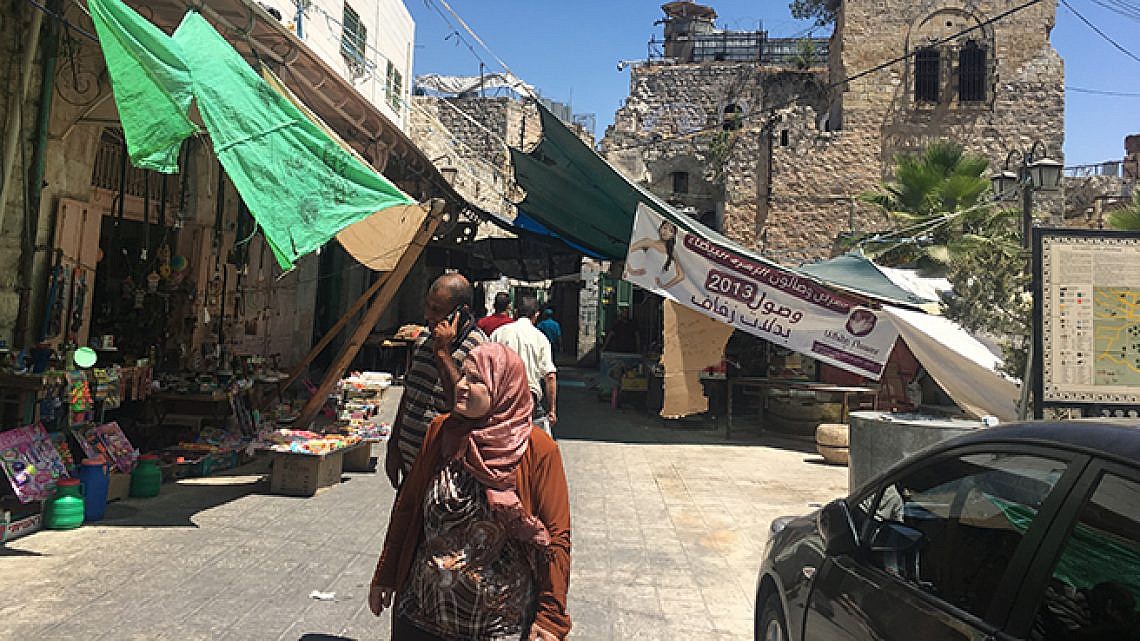
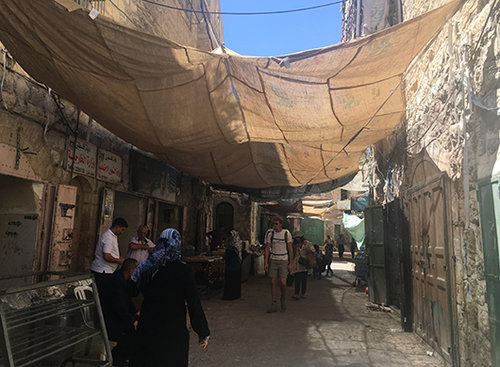
The crudity of the place is felt from the moment you step into the old city. I began searching for the address of the women gathering place just as Zleikha described it to me. I was not certain I was in the right place, and all-around people were watching the stranger. Someone immediately approached and asked me what I was looking for, there are not many strangers in that area other than some tourists and foreign activists on the main road leading to the Ibrahimi Mosque. Usually, the Palestinian residents of the old city and the Israeli settlers – who sometimes live in the same building – are used to seeing familiar faces. It’s a different world here.
Hebron might be the roughest part to live in the West Bank. Following an accord between Israel and the Palestinian Authority in 1997, Hebron was divided to H1 – comprising 80% of the city spread and under Palestinian jurisdiction; and H2 – the remaining 20% of the city’s area, which is under Israeli jurisdiction, there are also five Israeli settlements within H2.
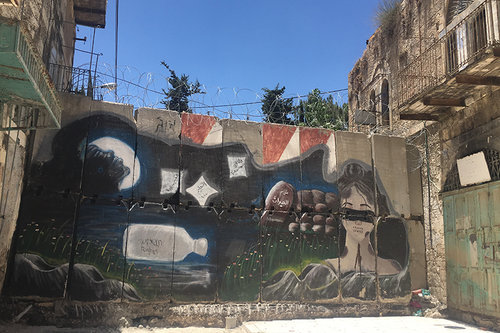
Graffiti in Hebron
Three years after the accord , during the second intifada, was signed, moving around the old city was a nightmare and extremely dangerous for children. Zlikha Muhtasab decided to start a small kindergarten and community center that would turn into a much bigger operation.
Zleikha is a human rights activist from the old city where she still resides and operates. She believes that children and women are the community pillars, and that investing in them will change the city and it’s future.
The center was established in the aim of easing the stressful lives of both parents and children suffering from a certain void. There was a need for social and mental support and the center became a means of escape for children and women. It held programs fighting illiteracy, summer camps, recreational activities, craft and art workshops, family planning programs and other successful educational initiatives.
Hebron is a rough place to live
Zlikha’s original initiative is now the Old City Women’s Group that focuses on encouraging women to be more active and productive. The group has helped keep girls from underprivileged families in school and last year the women began making sweets and baked goods to raise money. They later started selling home cooked food – all of this through workshops in which the women learned to make pastries and perfect their cooking skills. The immense need for stability and sharing of ideas helped create a unique social bond within the group. They now take orders over the phone or through their Facebook page. They emphasize how much the tourism in Hebron has helped the business and note that the presence of travelers and foreign activists means that they are getting much better at preparing vegetarian and vegan food.
One the women said she prepared pastries for her family who were so impressed they now happily help with the food preparations. I could see the joy brought by this enterprise; the women are now active in their community achieving many goals such as art works on the Separation Wall between the Shuhada street and the old city and many other educational initiatives.
For them to truly voice themselves and make a change, they need constant support from the local community.
רוצים לקבל את ״טיים אאוט״ למייל? הירשמו לניוזלטר שלנו
8 Things I Have Learned Living Under the Gaza Electricity Crisis
Always carry a flash light when going to a wedding, never make plans for the weekend and other life hacks I learned from a decade of electricity shortage
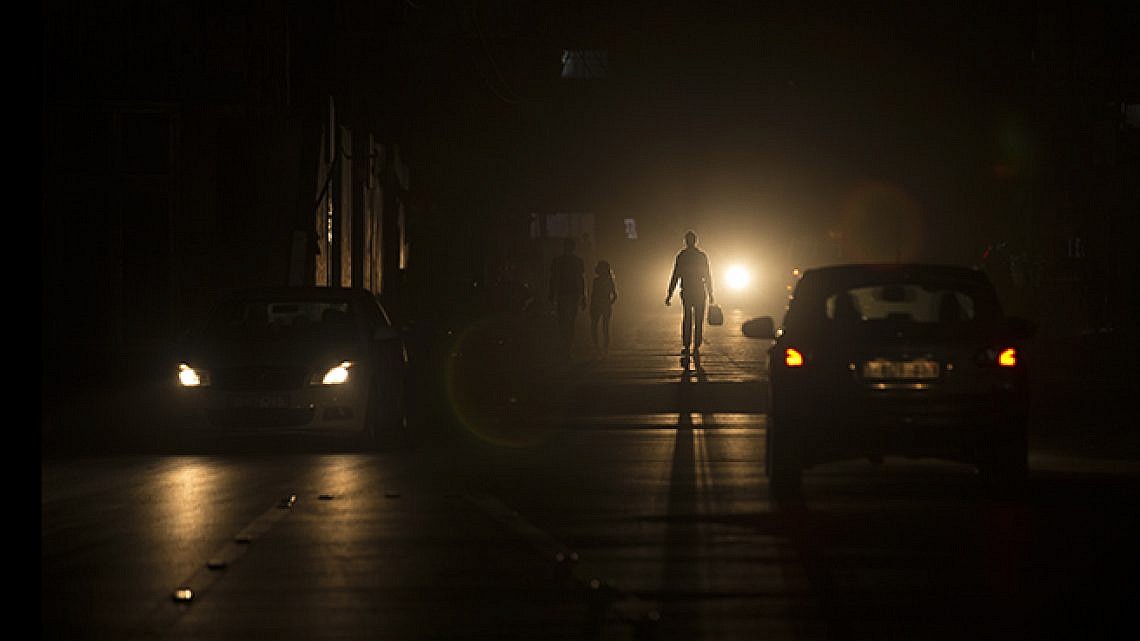
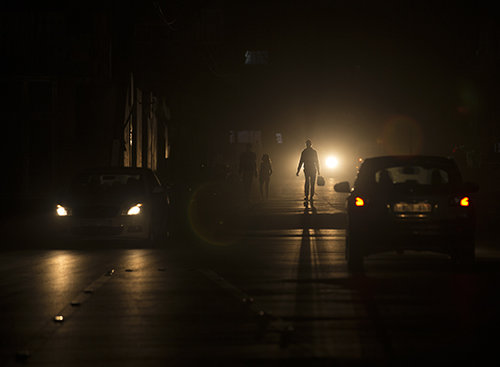
I am 24 now. I was 13 when the siege on Gaza began so electricity breaks have been accompanying me since childhood. To understand the way electricity is distributed in Gaza you first must understand there are several timetables, each accurately allotting power sessions in every part of the strip. For example, there is the “8 hours on/ 8 hours off” schedule, in which according to the power is on between 7 am and 3 pm, followed by a break until 10 pm when the electricity goes back on until 7 am the following day. In other parts it is inversed. When we have electricity on at home – they do not, and when they have power on, we have a break.
2, 4, 6, 8 hours of electricity – one must get used to these hours to survive in Gaza. You must excel in math to live here and properly calculate the hours of electricity in each area.
Take for example an ordinary day in July. In Gaza city, in the center of the Strip, you may wake up happy and relaxed because you enjoy electricity from morning to 3 pm. A few kilometers away, people in Jabalya – a city north to Gaza Strip – wake up to a morning with no electricity until 3 pm.
The second timetable is that od “6 hours on/ 6 hours off” according to which the power goes on from 6 am till noon in some regions, it then cuts off until 6 am the following day. In other parts, they will have electricity between 6 pm and midnight.
The third timetable – “2, 4” is the worst. This basically means we might get electricity in the morning, afternoon or night for that matter. It makes it impossible for you to plan your day or your routine.
2
Guests are here for the electricity
A funny, yet practical means of adapting has developed under these circumstances. Visiting friends and relatives became dependent on the question of “when do you have electricity?” rather than “when can you welcome us?”. If we find out our friends are on the same timetable as we are, there is no point in visiting them. People prefer staying home to charge their laptops and phones, watch T.V and do their house chores. Who would want to visit friends when you can enjoy electricity in the comfort of your home!
Getty Images
I can safely say that electricity has become our sovereign. It controls our lives, our visits, our studies, childhood, business meetings, weddings and futures. You cannot accomplish anything without knowing the timetables. Students are not able to focus and risk failing exams, and teachers with no access to electricity are not able to prepare for exams.
When you do not take the timetables in consideration you risk in turning a festive dinner to a catastrophe – you will not have ventilation, music or even food.
3
No weekend plans
Everyone waits eagerly for the weekend and who does not love those couple of days of relaxation. For the people in Gaza, weekends are completely different. The anticipation for the weekend is worthless if you do not calculate properly. Weekend equals staying up at night, reading a favorite book, dancing, watching a movie or spending time with friends… all impossible without electricity. This means that to enjoy the weekend you must plan carefully, which is what my brother and I do.
We begin counting the power hours of each day according to the known timetable of course. Starting with Saturday when the power goes on at 7 am until 3 pm and then back on from 11 pm throughout the night. On Sunday the electricity cuts off in the morning and night, and goes on midday. My brother and I count days until Thursday, and before we know it we lose power and our weekend plans get postponed.
Getty Images
Electricity even controls our sleep schedule because when we know that there will be power on at night, we turn to bed early. Everyone in Gaza sleeps during the day and wakes up at night, like vampires! one brother uses the internet for his Master Degree research, another brother studies for his tests, my sister knits and I spend the time reading. We all know that the next day we will have power only during the afternoon when we are all at work. A day with power during the afternoon is a lost day.
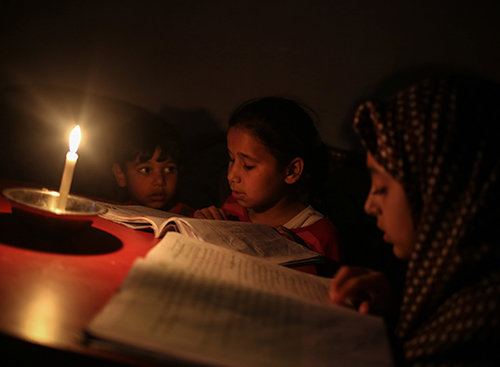
I prefer reading books at night. But with circumstances controlled by electricity, I can read very little because reading to a flashlight hurts my eyes. This unfair life often keeps us away from what we love, yet we are persistent and reading a little is better than not reading at all.
4
Children adjust to everything
I remember the first time when my nephew began shouting aloud while jumping around the house: “it’s back! The electricity is back!” and then continued: “we can now watch my favorite cartoon”. The poor kid had to watch this cartoon in parts having to wait for the power to keep coming back. He learned patience at a young age. I smiled because I realized he possibly understands our living situation better than most adults, yet I was sorry he had to grow up in a reality such as this.
(Photo by Ali Jadallah/Anadolu Agency/Getty Images)
5
Electric appliances need continuity
You must to work, wash, clean and iron at night. As the youngest sibling I am responsible for helping my mother with the house work so when I hear her call “Huda!”, I know the power is back. “Hurry! Charge all the phones and laptops and come help me with the laundry”. We sometimes wash the laundry and take showers at 3 am. When there is no electricity, there is no water as well.
Let us talk a little about our refrigerator. Our poor, incompetent little fridge. In the Gaza I live in, you must buy food for house every single day. The fridge is now useless since the power breaks spoil all the food. Sometimes, my wish is simply to drink some cold water.
In Gaza, not only the people suffer from power breaks, appliances complain in their own way too. The nonstop electricity breaks keep cutting off the appliances which basically breaks them. We had to fix the fridge several times, as well as the washing machine and television. And this has happened to all two million citizens of this tiny prison. I personally had to change the battery in my laptop five times, so have my brothers and sisters, other relatives, and every person in Gaza for that matter. The electrical current is so abrupt that is destroys all appliances.
Many of the citizens in Gaza have learned to use the electricity in their workplace. I, for instance, work at an organization in which we have a massive generator, so I use it to charge my laptop and phone while I am at work. Many of my colleagues do the same. People in Gaza all charge their phones at work, and people who are unemployed simply ask their friends to charge their appliances for them.
Shutterstock
6
Every household has a night soldier
The night soldier is a new job that runs between family members and it cannot be the same person all the time. The night soldier must stay up at night when there is power and charge all the appliances while the rest of the family is asleep. In my house, this is usually my younger brother, who is 17 years old. He stays up at night waiting for the power to go on, and as soon it does he quickly connects everything to the electricity and wakes some of the family that need to work. I sometimes fill that role myself.
7
What should we bring to the wedding? A flashlight!
We love parties in Gaza, we appreciate joy and create it amidst our misfortune. Yet it is difficult to fall in love, get engaged and marry in Gaza. Feelings here lose their universal legitimacy. The daily problems interfere with love.
People in Gaza go everywhere with flashlights. This reminds me of my cousins wedding, when the power went off. In an instance all guests froze, the bride and groom waited for the music that did not come back, and the guests watched the scene with the help of their cellphone. When the power went back on, the bride’s make-up was ruined and she ran to fix it.
8
Necessity is the mother of invention (or: batteries are life)
Citizens in Gaza become more creative as troubles continue. We cannot have the electrical shortages prevent us from having a full meaningful life. Our creativity is brought forth in numerous aspects, and a crucial one is turning electric appliances to battery dependent. We currently use small fans that work on batteries and charge during power currents. Families who cannot afford fans, spend most their summertime outdoors. Fresh air is free and there is no way to cut it off.
רוצים לקבל את ״טיים אאוט״ למייל? הירשמו לניוזלטר שלנו
Above Everything: On Nicolas Jaar, Friendship and the Occupation
Why I insisted on speaking in Hebrew with my Israeli friends at the Nicolas Jaar show in Ramallah, and why that doesn't mean Israelis are welcome there
It was on a Friday afternoon, the right time for a quiet glass of white wine and some down time. A good friend of mine called, somewhat intruding, and asked enthusiastically: "are you going to Nico's Ramalla or Haifa show?"
"Who is Nico? What's going on?"
"Nicolas Jaar, the Palestinian DJ, sister."
"Oh, OK. I saw something on Facebook but didn't bother to think about it."
"Well, we're going, I don't care how. There are no tickets left for Haifa because I guess there were only places left in the Palestinian quota, and I even participated in the raffle!"
For two weeks before Jaar (a Palestinian refugee from the largest exile community in the West, Chile) played his two shows, Tel Avivians couldn't stop talking about him. Apparently, it was very difficult for them to accept the fact that a famous artist coming to Palestine isn't interested in playing for Israelis in the Yarkon Park.
I easily got tickets for my friend and myself, and promised her that she will be with me the entire time and that there is nothing to stress out about. At the same time, I decided to choose the Israelis I would bring to Ramallah well, and not to spread the rumor among the regulars of the Nile Bar in Tel Aviv. It was clear to me that enthused Ashkenazi hipsters are not the kind of people I want to take under my wing and beyond the checkpoint.
Nicolas Jaar (gettyimages)
So why did I decide to take a Jewish Mizrahi friend with me anyway, and insisted on speaking in Hebrew to her while we were queued up for the tickets? The simplest answer would be that Hebrew is my second language, I speak well and use it daily – much more often than Arabic, unfortunately. I felt it would be legitimate to want for Palestinians in Ramallah and the West Bank to understand this, to understand me and the complex life I lead, along with another 1.5 million Palestinians who have an Israeli citizenship. So I insisted and tried to act as if I didn't notice the sensitivity of the matter, and that it is better to eat grapes than fight with the guard. Until one friend who was queued up next to us firmly told us to stop.
In the large, half-empty yard of the ritzy hotel where the concert was held, I met many people I know, most of themmin-aldakhil,meaning insiders. Yaani, Arab-Israelis. Us, to be brief. Because what do Ramallahns have to do with techno? or Nico (at least, that's what some of the locals claimed)? Anyone who couldn't get a ticket for Haifa ended up at the Ramallah show, and most Palestinian Tel Avivians came with an Israeli friend.
I even met Nowwar, my best friend from Ramallah, there. And unlike me, she said she was having a blast and that she felt free, as if she was abroad and not in this giant prison or under occupation and that just Nico's being there was a tremendous and rare occasion in of itself. Her words sunk in. I understood how privileged I was compared to her and that she was sick of everything, like everybody else. Just like that, everything.
Nicolas Jaar (gettyimages)
What, aren't we sick of the occupation? Of the institutionalized racism? Of the language the occupied our entire culture? And even though I like Hebrew (as a language set apart from the occupation), and even though I chose to speak it "taking a risk" in the middle of Ramallah, during a short, disappointing gig, I can't ignore the fact that Nowwar and other friends and people can't come to see Radiohead in the park pr Mira Awad in Cafe Bialik.
So yes, Israelis, take it in: you weren't invited to Nicolas Jaar in Ramallah or Haifa. You are not a welcome audience, the shows are not for you. And still, friendship is sometimes, for a limited time, above everything, above the occupation that is not only 50 years old, and above music and above politics.
רוצים לקבל את ״טיים אאוט״ למייל? הירשמו לניוזלטר שלנו